

L'immagine del prodotto è da intendersi a scopo illustrativo e potrebbe non rispecchiare esattamente le caratteristiche reali del vino.
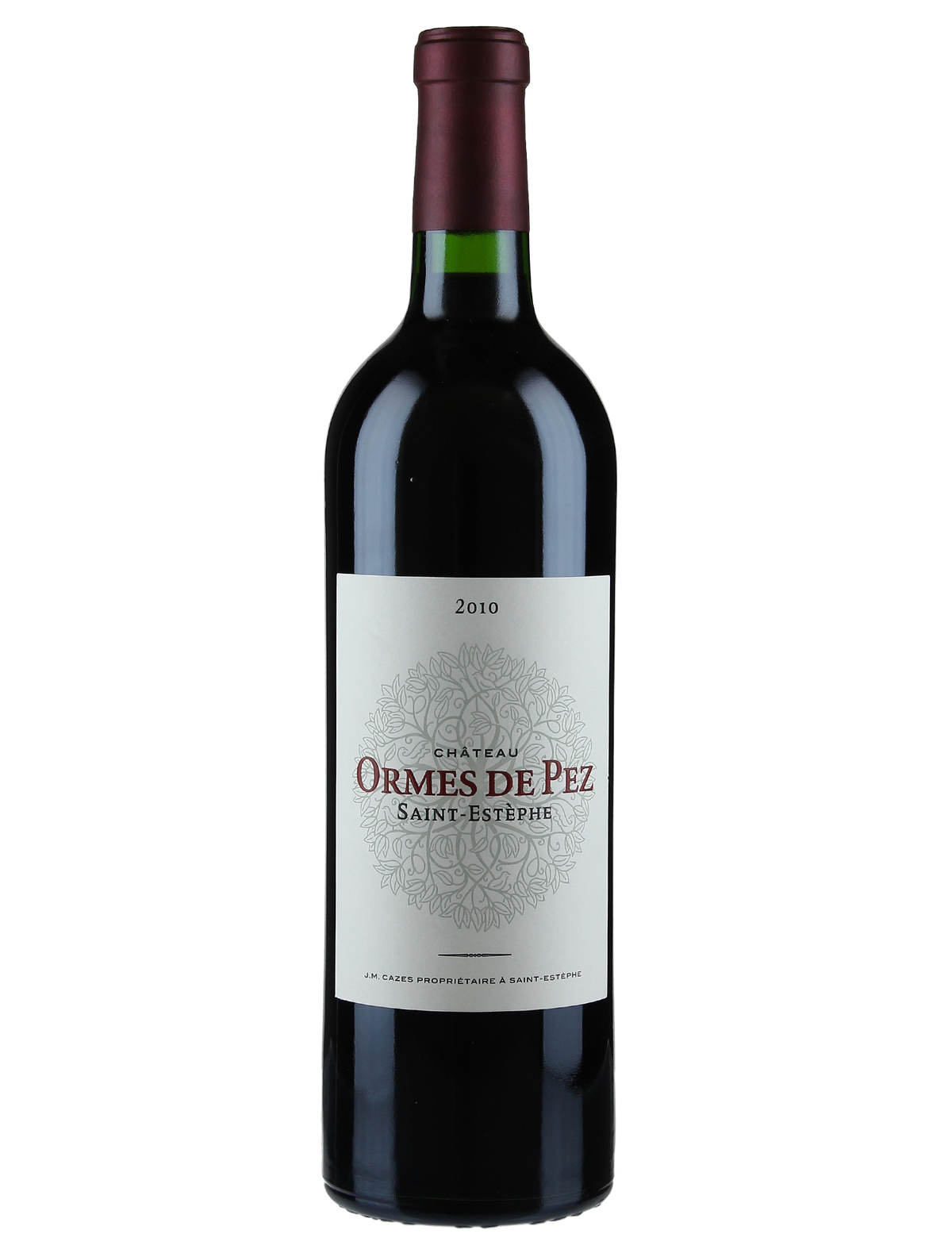
Il vino
- Colore
- Rosso
- Alcol
- 12.5% vol
Punteggi della critica
- Robert Parker / Wine Advocate 87
This is a soft, consumer-friendly style of wine from Les Ormes de Pez from the Cazes family, who have done so much for the village of Pauillac and their own wines, such as Lynch-Bages. They have turned out a luscious, dark ruby/purple wine with sweet cassis fruit, an uncomplicated, medium-bodied mouthfeel and very velvety tannin. Drink it over the next 7-8 years.
- Wine Spectator 88-91
Bright and open-knit, with cherry and damson plum fruit carried by sleek, silky tannins. The tangy minerality takes over on the finish, revealing the austere side of the vintage. Exhibits fine range. —J.M.
- James Suckling 91
This is juicy and delicious with a chocolate, berry and spice. Hints of meat. Full body. Ripe fruit and savory. Fleshy for the vintage. Lots of Merlot in this with 44%. 46% Cabernet Sauvignon, 8% Cabernet Franc and 2% Petit Verdot.
- René Gabriel 16
Aufhellendes Granat mit mittlerer Dichte, feiner Rand. Schlankes, frisches Bouquet, viel rote Kirschen, floraler Hintergrund, von der Süsse einen Hauch Grenadine zeigend. Saftiger, eleganter Gaumen, wirkt wie geschliffen, im Finale kerniger Nachklang. Kann vielleicht noch zulegen, aber nicht zu seinen grösseren Jahrgängen aufschliessen. warten (2017 - 2035)
Il produttore: Château Les Ormes de Pez
Situato nella regione di Saint-Estèphe, Château Ormes de Pez prende il proprio nome dal villaggio in cui si trova: Pez. La prima parte del nome significa “olmo”, che è la pianta che decora l’etichetta. La tenuta risale al XVIII secolo, ma alla fine degli anni Venti è stata acquistata dalla famiglia Cazes di Château Lynch Bages. I suoi 38 ettari sono ampiamente dispersi su differenti terroir, con circa un terzo su ghiaia e argilla, un terzo su ghiaia e sabbia e un’altra parte su pura ghiaia, vicina a Tronquoy-Lalande. I vigneti sono piantumati a Cabernet Sauvignon (50%), Merlot (33%), Cabernet Franc (10%) e Petit Verdot (2%). Per molti versi, il vino è prodotto come Lynch Bages: tradizionalmente eppure con alcune tecniche moderne che permettono alla purezza del fruttato di rimanere intatta pur conservando il carattere del terroir. È certamente uno dei vini più ricercati di Saint-Estèphe, perché tende ad avere una notevole profondità di fruttato e invecchia bene.