

L'image du produit est fournie à titre d'illustration uniquement et peut ne pas refléter exactement les caractéristiques réelles du vin.
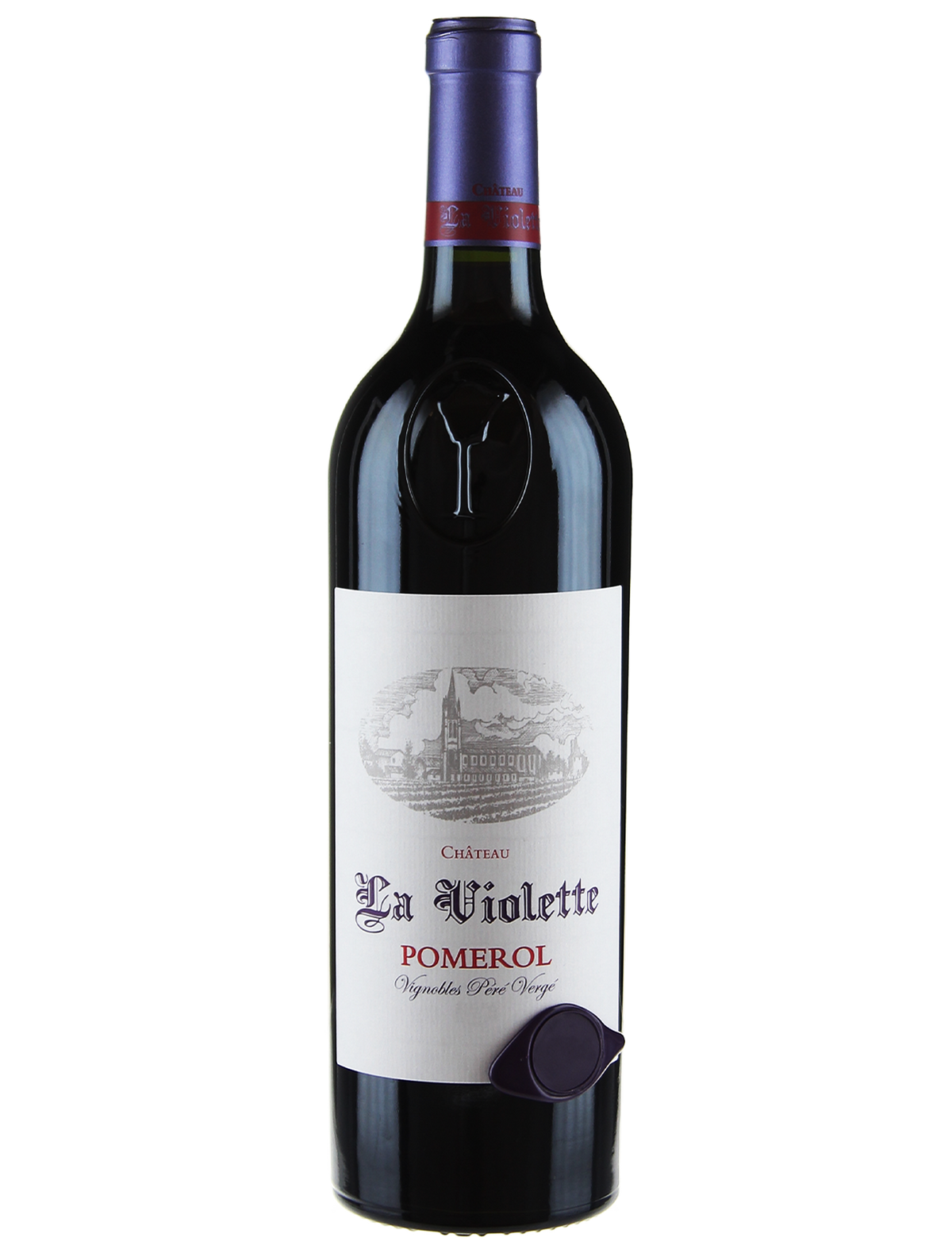
Le vin
- Couleur
- Rosso
- Teneur en alcool
- 12.5% vol
Notes de la critique
- Robert Parker / Wine Advocate 93+
Deep garnet-purple in color, the 2018 La Violette slowly emerges from the glass with wafts of dried flowers, Chinese five spice and cedar chest before erupting into vivacious notes of plum preserves, baked blackberries and black cherry compote, plus hints of licorice and iodine. The medium to full-bodied palate delivers mouth-coating black fruit preserves with a spicy undercurrent and grainy tannins, finishing with the freshness in the background and a dogged suggestion of unmarried oak. In something of an ugly-duckling stage, there's enough going on here to warrant forgetting it in the cellar for 5-7 years, after which it should all come together beautifully.
- Wine Spectator 92-95
Lush in feel, with alluring crushed raspberry and plum fruit flavors, inlaid with a black tea hint. The fruit is quite showy, but this remains a bit shy on drive.—J.M.
- James Suckling 96
The nose is floral at first, showing violets and notes of graphite, spice and smoke. Complex and deep. It’s medium-to full-bodied with a gorgeous, velvety texture, elegant tannins and a clean, savory and very long finish. Needs at least three or four years to come around.
Le producteur : Château La Violette
Le Château La Violette est une micro-propriété à Pomerol qui a acquis ces dernières années un statut de vignoble culte. Jusqu'en 2006, elle a connu une existence paisible (certains diront obscure). Cette année-là, la très dynamique Catherine Péré-Vergé, propriétaire des châteaux Le Gay et Montviel, mais aussi de plusieurs domaines viticoles en Argentine, a jeté son dévolu sur La Violette. Son vignoble bénéficie d’un emplacement de choix sur le plateau de Pomerol, à proximité de Trotanoy. Totalisant 3 hectares, une replantation récente a limité à 1,4 hectare la superficie de vieilles vignes (certaines âgées de plus de 50 ans) aptes à produire son vin, ce qui le rend particulièrement difficile à trouver. Une fois égrappés à la main, les raisins fermentent exceptionnellement dans des barriques neuves de chêne français. Avec Michel Rolland en qualité d’œnologue conseil, le domaine a atteint son apogée avec les millésimes 2009 et 2010, décrochant des scores respectifs de 98 et 100 points.