

L'image du produit est fournie à titre d'illustration uniquement et peut ne pas refléter exactement les caractéristiques réelles du vin.
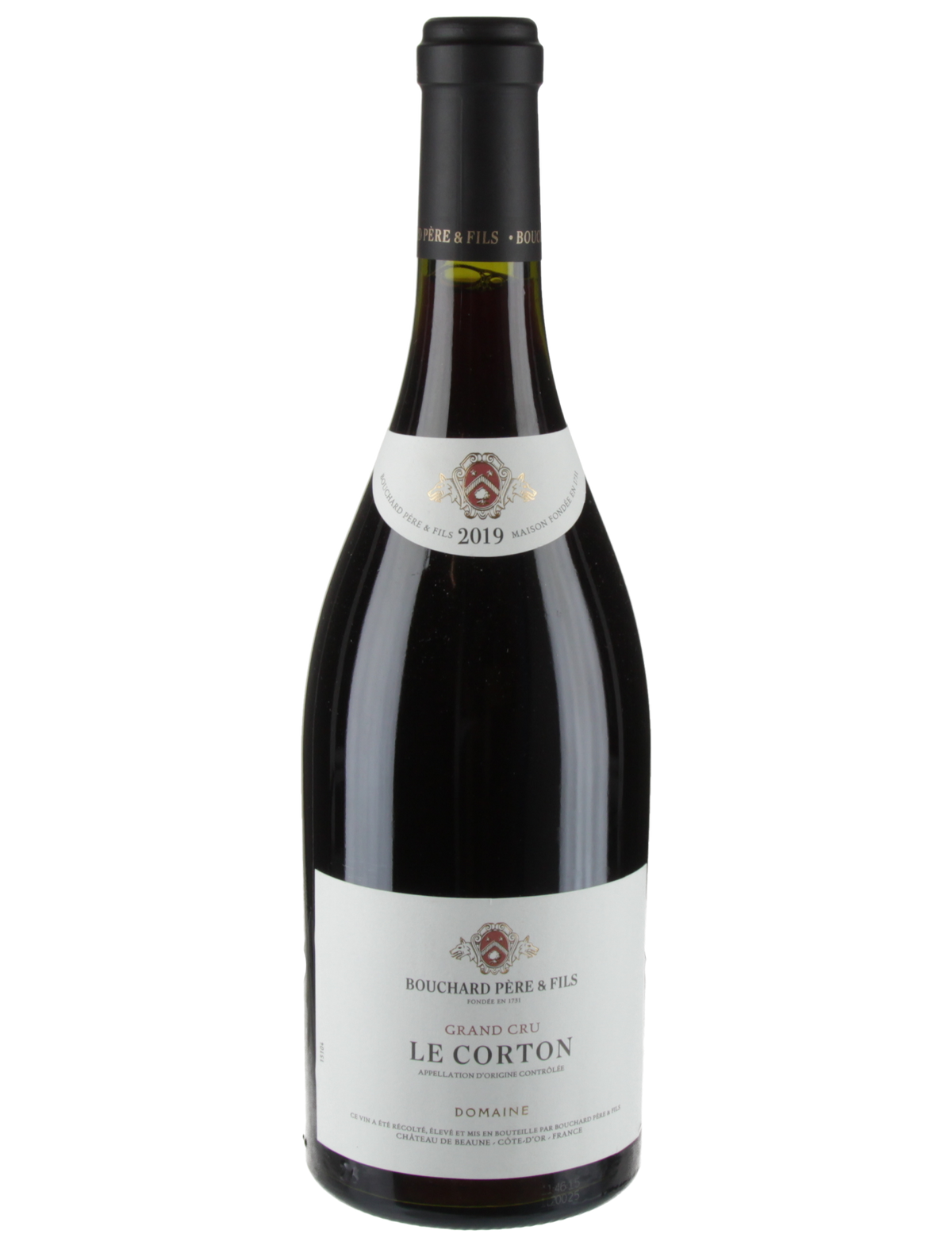
Le vin
- Couleur
- Rouge
- Teneur en alcool
- 13.0% vol
Notes de la critique
- Robert Parker / Wine Advocate (93 - 95)+
The 2020 Le Corton Grand Cru is a worthy successor to the striking 2019 (which I probably underrated last year). Soaring from the glass with aromas of rose petals, orange rind, raspberries, rich soil tones and cinnamon, it's full-bodied, velvety and seamless, with a deep and layered core of fruit, vibrant acids and fine, melting tannins, concluding with a long, saline finish. This emblematic cuvée has always been a solid bottling chez Bouchard, but in the last few years it seems to have attained a whole new level of quality. When I asked Frédéric Weber what might account for this shift, he explained that he picks later and includes more whole bunches in the vinification. Whatever the reason, readers are advised to take note, as I don't think the market has yet factored in quite how good this wine is.
- Wine Spectator 95
Shows aromatic sandalwood, floral, cherry and exotic spices on the nose, with intense cherry and berry fruit on the palate. This has serious grip, despite the acidity and tannins meshing harmoniously with the flavors and supple texture. Offers fine length, with the fruit and spice notes persisting. Best from 2026 through 2043.
- James Suckling 95
There's nothing shy about this uncompromising expression of the 2020 vintage. Dark, meaty and peppery on the expansive nose, this Corton has imposing structure, but has been beautifully crafted. So well proportioned, in spite of its mighty stature. The crushed-stone minerality builds and builds to a serious crescendo at the finish. From organically grown grapes. Drinkable now, but best from 2024.
Le producteur : Bouchard Père & Fils
Négociant/producteur bourguignon incontournable, Bouchard Père et Fils est propriétaire d'un vaste domaine viticole de 130 hectares (dont 12 Grands Crus, 74 Premiers Crus et 4 Monopoles) tout en élaborant du vin à partir de raisins achetés. La maison a été fondée en 1731 par Michel Bouchard et en 1775 Joseph, fils de Michel, a commencé à acquérir les premiers vignobles à Volnay Caillerets. Pendant la Révolution française, lorsque les vignobles appartenant au clergé et à la noblesse furent saisis, le fils de Joseph, Antoine Philibert Joseph Bouchard, a profité de l'occasion pour agrandir la propriété familiale de Beaune, dont le célèbre Beaune Grèves Vigne de l'Enfant Jésus. Au fil des ans, la maison a continué à assurer la production de vins classés dans le haut du panier mais durant deux décennies difficiles pour la Bourgogne – les années 1970 et 80 – le niveau qualitatif a baissé et en 1995 l'entreprise a été cédée à la maison de Champagne Henriot. Celle-ci en est toujours propriétaire et la vinification est placée sous l’égide de Philippe Prost, un homme dynamique mais réfléchi qui travaille avec les Bouchard depuis 1978.