

The product image is for illustrative purposes only and may not exactly reflect the actual characteristics of the wine.
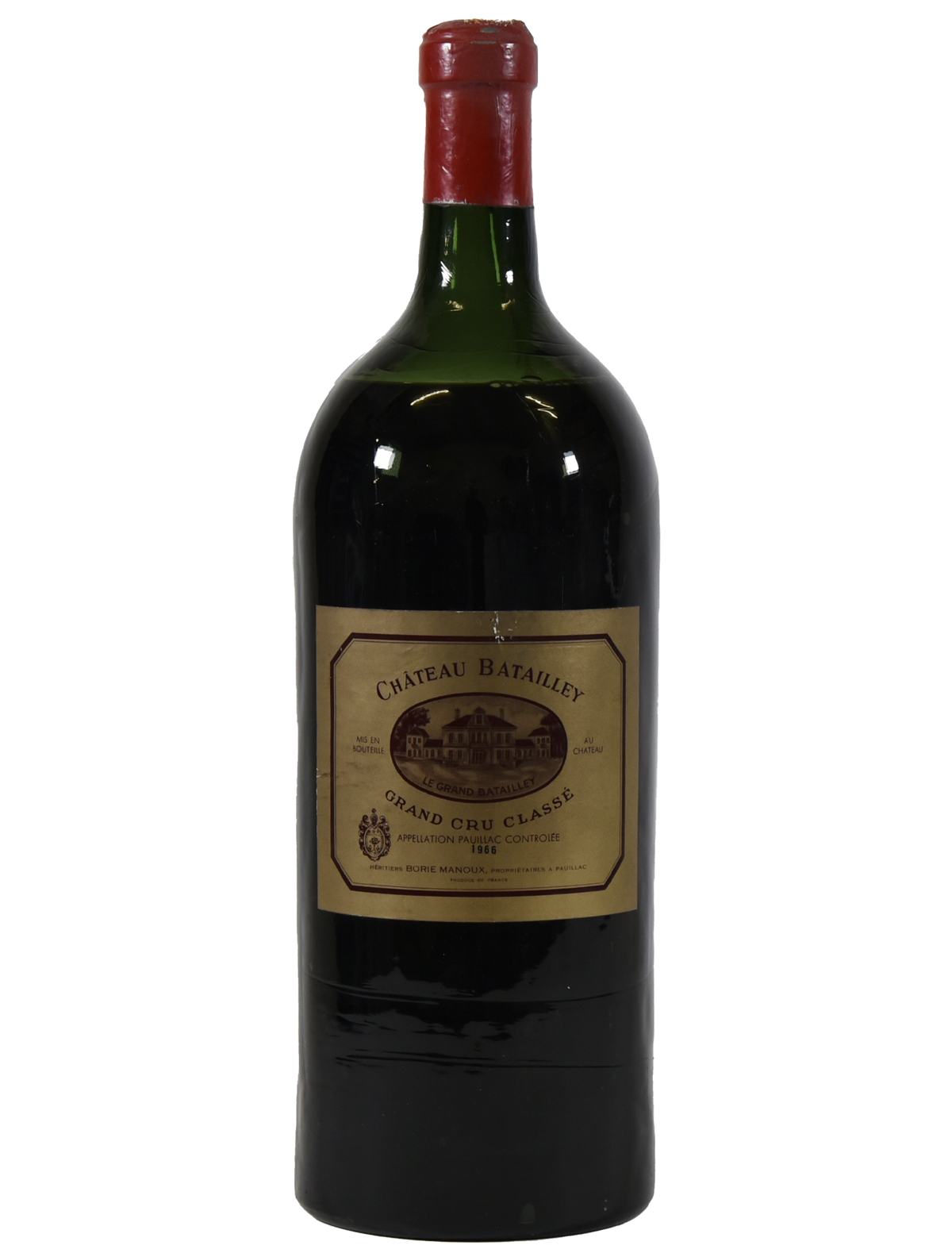
The wine
- Colour
- Rosso
- Alcohol
- 12.5% vol
Critics' scores
- Robert Parker / Wine Advocate 91
Tasted at the Batailley vertical tasting at the château, the 2000 Batailley displayed youthful vigor on the nose with boysenberry and damson fruit, incense and iodine. As I remarked when I last tasted this in 2011, there is an opulence here that this estate rarely produced up until this period. The palate is medium-bodied with fine tannin; this bottle is more backward than others, with firm tannin providing sturdy backbone. It remains a "burly" Pauillac for the vintage, and it is certainly masculine in style. Then again, that is a leitmotif of the millennial vintage. As such, I can envisage this mellowing in four to six year's time, whereupon it will have the substance to give drinking pleasure over many years. Tasted April 2016.
The producer: Château Batailley
Château Batailley is one of the oldest estates in Pauillac and has been classified as a Fifth Growth since the 1855 Classification. Its name is believed to refer to a battle fought on these lands in 1453, during the Hundred Years' War. Vines have been cultivated here since the 17th century, reflecting the long winemaking tradition of this historic estate.
At the beginning of the 19th century, Daniel Guestier acquired the property and set about modernising it, expanding the vineyard and improving the quality of its wines. These efforts contributed to Batailley's recognition in the prestigious 1855 Classification. In 1924, Marcel and Francis Borie acquired the estate, marking the beginning of its history with the Borie-Castéja family. When the property was divided in 1941, Marcel retained Château Batailley, while the other part wuld become Chateau Haut-Batailley.
Since the 2000s, under the direction of Philippe Castéja, Chateau Batailley has continued its pursuit of excellence. In 2006, the estate introduced a new vat room, enabling plot-by-plot vinification. Today, this historic property remains deeply connected to its identity and the terroir of Pauillac, perpetuating several centuries of winemaking history.