

Das Produktbild dient nur zur Veranschaulichung und spiegelt möglicherweise nicht genau die tatsächlichen Eigenschaften des Weins wider.
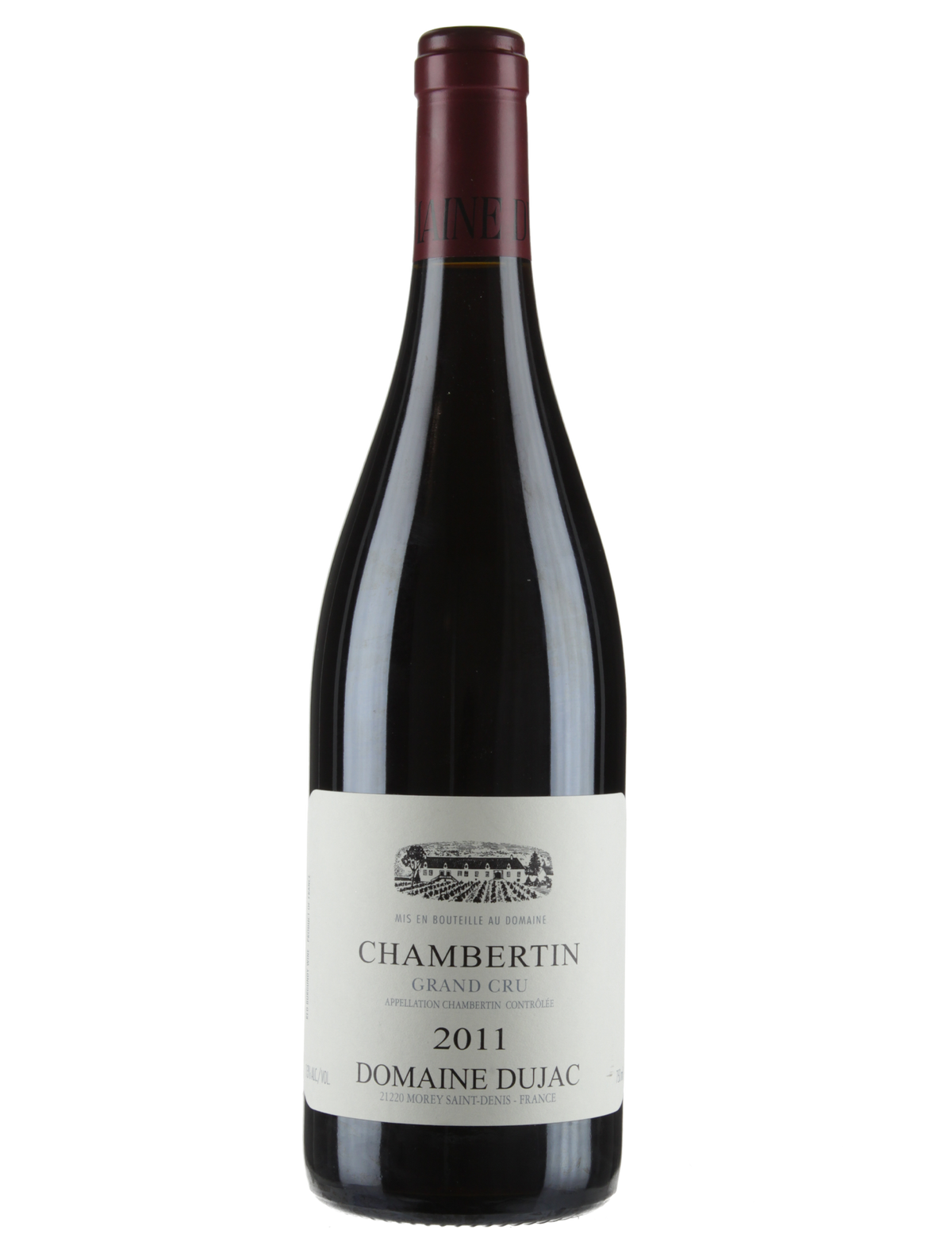
Der Wein
- Farbe
- Rosso
- Alkoholgehalt
- 12.5% vol
Kritikerbewertungen
- Robert Parker / Wine Advocate 95
The 2011 Chambertin Grand Cru comes from two parcels in Chambertin itself and Clos-de-Beze. It has a slightly meaty, introspective bouquet that is beautifully defined, but it is a little sulky at the moment and needs two or three years to open up. The palate is medium-bodied with ripe, juicy tannins on the entry. This is not a heavyweight Chambertin, but very focused with a feminine, silky-smooth finish. Drink 2014-2026. I have been visiting Jeremy and Alec Seysses at Domaine Dujac for several years now, and it is always one of my favorite ports of call. Alec, looking surprisingly chipper for a new dad had taken time off nappy duty to guide me through the 2011s this year. I have to confess that I was concerned by the conspicuous nature of the new oak on both their negociant label wines and the entry Village Crus. I felt that 35% new oak tended to overwhelm the fruit and terroir and occasionally impart drying finishes, which is why my scores are parsimonious here. As I tasted through the range toward the flock of Grand Crus the oak seemed better assimilated, although I would still maintain that the wine is of such quality that the present level of oak risks being superfluous to requirements. All the negociant label wines were bottled before Christmas.
- Vinous 97
Rich, huge and explosive, the 2011 Chambertin bursts onto the palate with superb energy and pure density. Dark blue/purplish fruit, smoke, licorice and melted road tar are just some of the many notes that are alive. The 2011 is remarkably vivid and layered. There is something about these parcels that allows them to transcend vintage. What an utterly breathtaking wine this is.
Der Produzent: Domaine Dujac
Die Domaine Dujac ist mit ihrer Entstehung in den späten 1960er-Jahren eher jüngeren Datums. Jacques Seysses war damals als junger Mann ohne familiären Weinhintergrund nach Burgund gekommen. Sein Vater war wohlhabender Besitzer einer Keksfabrik und ein wahrer Bonvivant und Gourmand. Jacques, nach einem Abstecher in die Bank- und anschließend die Keksbranche, machte sich auf nach Burgund, um mehr über Wein zu erfahren. Er kaufte eine abgewirtschaftete Domaine in Morey-Saint-Denis (Domaine Graillet) und benannte sie nach sich selbst. Schon nach kurzer Zeit erwarb er sich hohes Ansehen mit seinen Weinen, und über die Jahre gab er die Leitung nach und nach an seine drei Söhne Jeremy, Alec und Paul ab. Heute produzieren sie aus über 15 Hektar Rebfläche, die 16 Appellationen abdeckt, Weiß- und Rotweine. Im Jahr 2000 startete Jeremy, der älteste der drei, einen kleinen Négociant-Betrieb namens Dujac Fils & Père. Seit 1990 sind die Brüder außerdem Miteigentümer von Triennes, einem provenzalischen Weingut, das Rosé-, Rot- und Weißweine produziert.