

Das Produktbild dient nur zur Veranschaulichung und spiegelt möglicherweise nicht genau die tatsächlichen Eigenschaften des Weins wider.
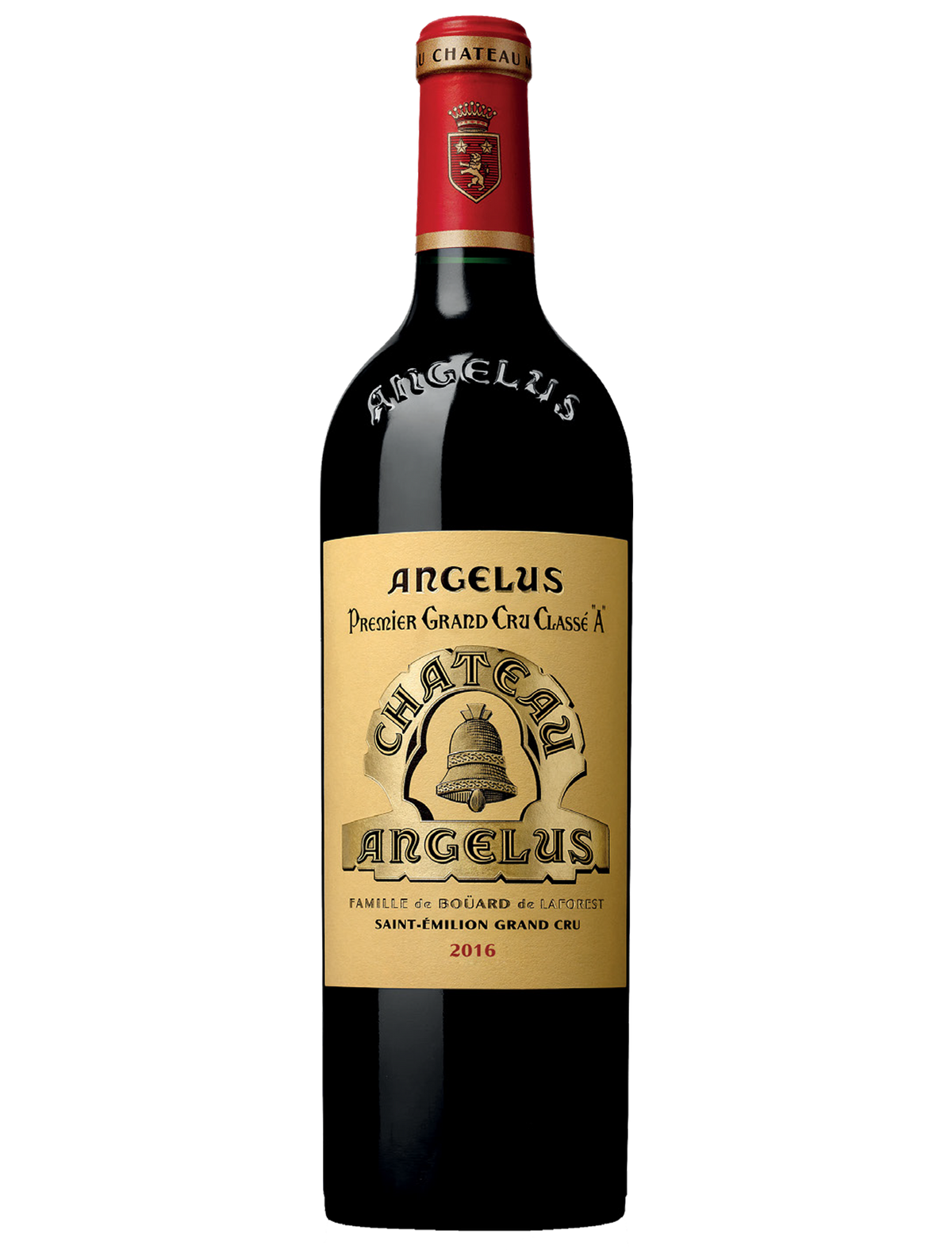
Der Wein
- Farbe
- Rosso
- Alkoholgehalt
- 12.5% vol
Kritikerbewertungen
- Robert Parker / Wine Advocate 95
Composed of 70% Merlot and 30% Cabernet Franc, the medium to deep garnet-purple colored 2017 Angélus wafts slowly, sensuously out of the glass with notes of warm red currants, Black Forest cake, blackberry compote and pencil shavings with nuances of rose oil, black tea, cloves and cumin seed. The medium-bodied palate is wonderfully elegant and refreshing, sporting very finely grained tannins and layers of red and black fruit preserves, finishing long with mineral fireworks. What a beauty!
- Wine Spectator 93-96
This is jazzed up a bit, with dark anise and black tea aromatics leading off, followed by juicy blackberry, boysenberry and bramble notes. Has some flashy spice on the finish and some expensive-feeling toast, but everything is in lockstep as this moves along.—J.M.
- James Suckling 97
This is so pure and aromatic with a level of complexity and refinement for the vintage that few have. Sweet tobacco, flowers, herbs and stone with underlying richness of fruit. It opens on the palate to a full body that is tight and reserved with an extremely focused tannin mouth feel. Length and excitement at the end. Very polished Angélus. A blend of 70% merlot and 30% cabernet franc. Drink in 2024 and onwards.
Der Produzent: Château Angélus
Weniger als einen Kilometer von dem markanten Glockenturm in Saint-Émilion enfernt, steht das Château Angélus am Südhang seines 26 Hektar großen Weinbergs. Das Gut repräsentiert die Beständigkeit der Familie Boüard de Laforest über acht Generationen hinweg. In den vergangenen 10 bis 15 Jahren war dies kontinuierlich eines der angesehensten Châteaux in Saint-Émilion. Im Jahr 1996 wurde es zu einem Premier Grand Cru aufgewertet, nachdem es zuvor laut der Klassifikation von 1954 als Grand Cru Classé eingestuft war. Die Weinerzeugung wurde umgestellt, um reichere und konzentriertere Weine mit Azenten von schwarzer Johannisbeere und Pflaume zu erhalten. Dabei zeigen sie gute Ausgewogenheit und Eichentöne und sind an jedem Tag ein Genuss.