

L'immagine del prodotto è da intendersi a scopo illustrativo e potrebbe non rispecchiare esattamente le caratteristiche reali del vino.
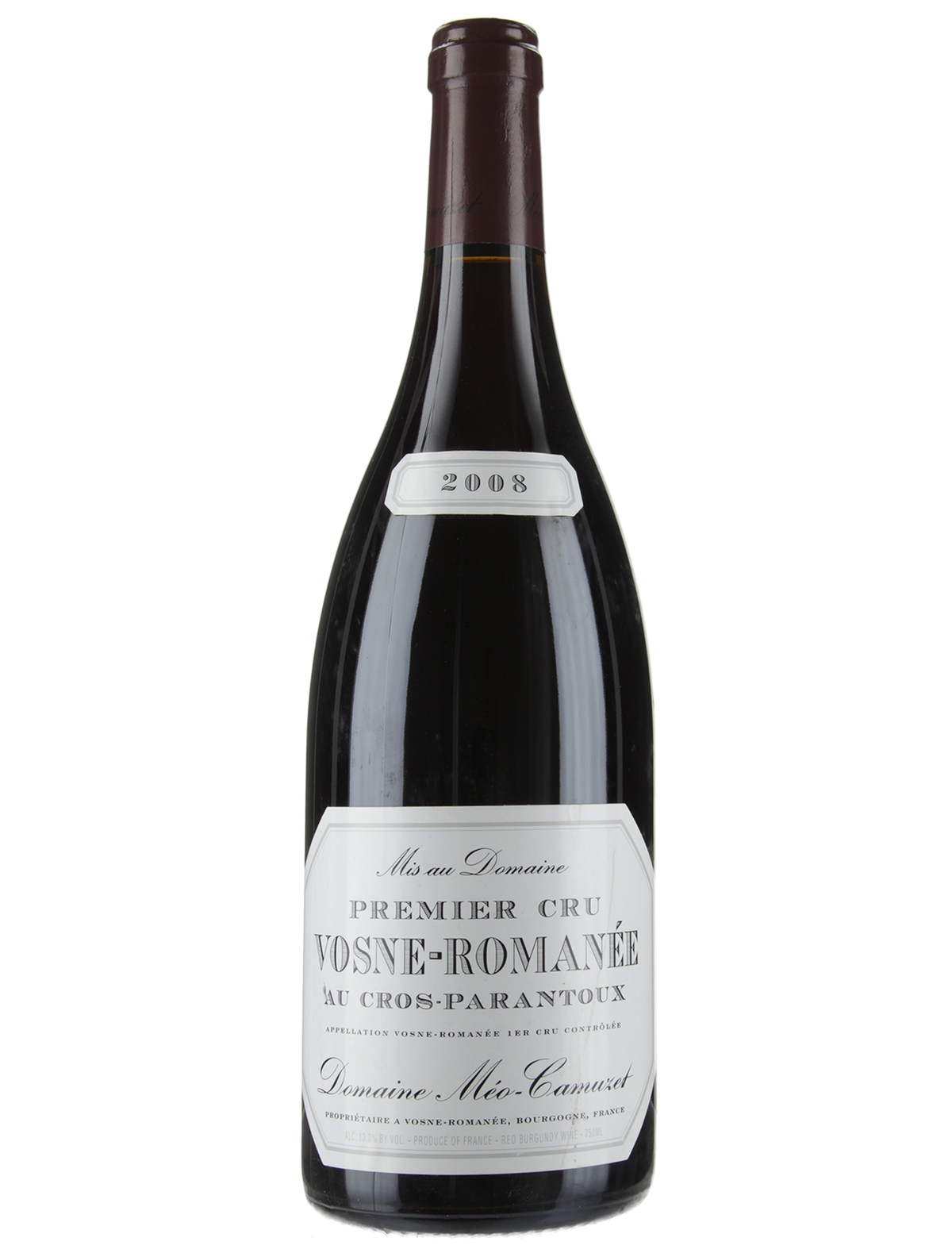
Il vino
- Colore
- Rosso
- Alcol
- 13.0% vol
Punteggi della critica
- Robert Parker / Wine Advocate 92-93
A striking sense of distilled pit fruits parallels the suggestions of their confiture in the intense nose of Meo-Camuzet’s 2008 Vosne-Romanee Cros Parantoux (tasted from thank), and on the palate there is both a bright primary juiciness and a saline-carnal savor more prominent than in any other wine of the vintage that I tasted from this estate, resulting in a truly saliva-inducing, lip-smacking finish. Black pepper and crushed stone notes add a sense of finishing bite. While less seductively sweet or multi-faceted – today, at least – than the corresponding Brulees, there will be those (of whom I am one) who would be even more inclined to put their money (if they had the requisite sort of money) on this wine instead. Certainly though, six or more years in cellar and expectations of 15 or more year’s life span are in order. “Parantoux always retains lots of acidity and freshness,” notes Nicolas Meo, “and I always harvest it last, whereas I have taken to harvesting Les Brulees first.” Jean-Nicolas Meo emphasized the contrast between the low pHs of his 2008s (typical, of course, for this vintage in general) and the high pHs of 2007, which ironically – since the latter were given a higher dosage of sulfur as a precaution against undesirable bacteriological activity – led, he reported, to 2007s that showed a harder side initially than many of the corresponding 2008s. Given the high acids of 2008, says Meo, he preferred to let the fruit hang longer – even despite some shriveling – so that few of the musts were chaptalized and most were 13% or higher in natural alcohol. Typical for this address, the wines display admirable, even unusually strong sweetness of fruit, but in 2008 accompanied by prominent tannins and notes of new wood. Meo compares his 2008s with 2001 and 1996, opining that his wines from those two vintages have for the most part – in contrast with many 1993s – evolved nicely and without exhibiting excessive stiffness or hardness. I caught some 2008s in bottle and others from tank just before bottling, and the several 2007s I tasted alongside showed well, although Meo – in contrast with most growers – thinks his 2008 fruit was superior even in sheer ripeness. (Negociant wines – some from parcels the Meos in fact farm – are noted as “Frere et Soeur.”)
Il produttore: Domaine Méo-Camuzet
Una delle grandi tenute di Vosne-Romanée, Domaine Méo-Camuzet fu fondata agli inizi del XX secolo da Étienne Camuzet, membro del Parlamento francese per la Côte d'Or dal 1902 al 1932. Camuzet selezionò e acquistò i vigneti che lo interessavano in modo particolare, oltre allo straordinario castello di Clos de Vougeot (egli fu l’ultimo singolo proprietario del castello, prima di donarlo alla Confrérie des Chevaliers du Tastevin). Le sue proprietà furono prima tramandate alla figlia Maria Noirot e più tardi, nel 1959, a un parente più lontano, Jean Méo. Come molte altre proprietà in quel tempo, i vigneti erano curati da alcuni mezzadri (métayeurs) e il vino era venduto all’ingrosso ai commercianti. La tenuta iniziò a imbottigliare in proprio i vini soltanto nel 1985 e, quando nel 1989 arrivò il figlio di Jean, Jean-Nicolas, aveva già iniziato a trasformarsi veramente. Il nome di Henri Jayer, una delle personalità più inimitabili della Borgogna, sarà per sempre collegato a quello di Méo-Camuzet. Jayer infatti lavorò per anni come mezzadro per questa tenuta, fino alla pensione nel 1988, ma in seguito continuò a lavorarvi a lungo come consulente. La proprietà ha una serie di vini straordinaria, costituita da 25 denominazioni diverse, che comprende sia i vini prodotti in loco, sia i vini per i commercianti, venduti con l’etichetta Méo-Camuzet Frères & Soeurs.