

L'immagine del prodotto è da intendersi a scopo illustrativo e potrebbe non rispecchiare esattamente le caratteristiche reali del vino.
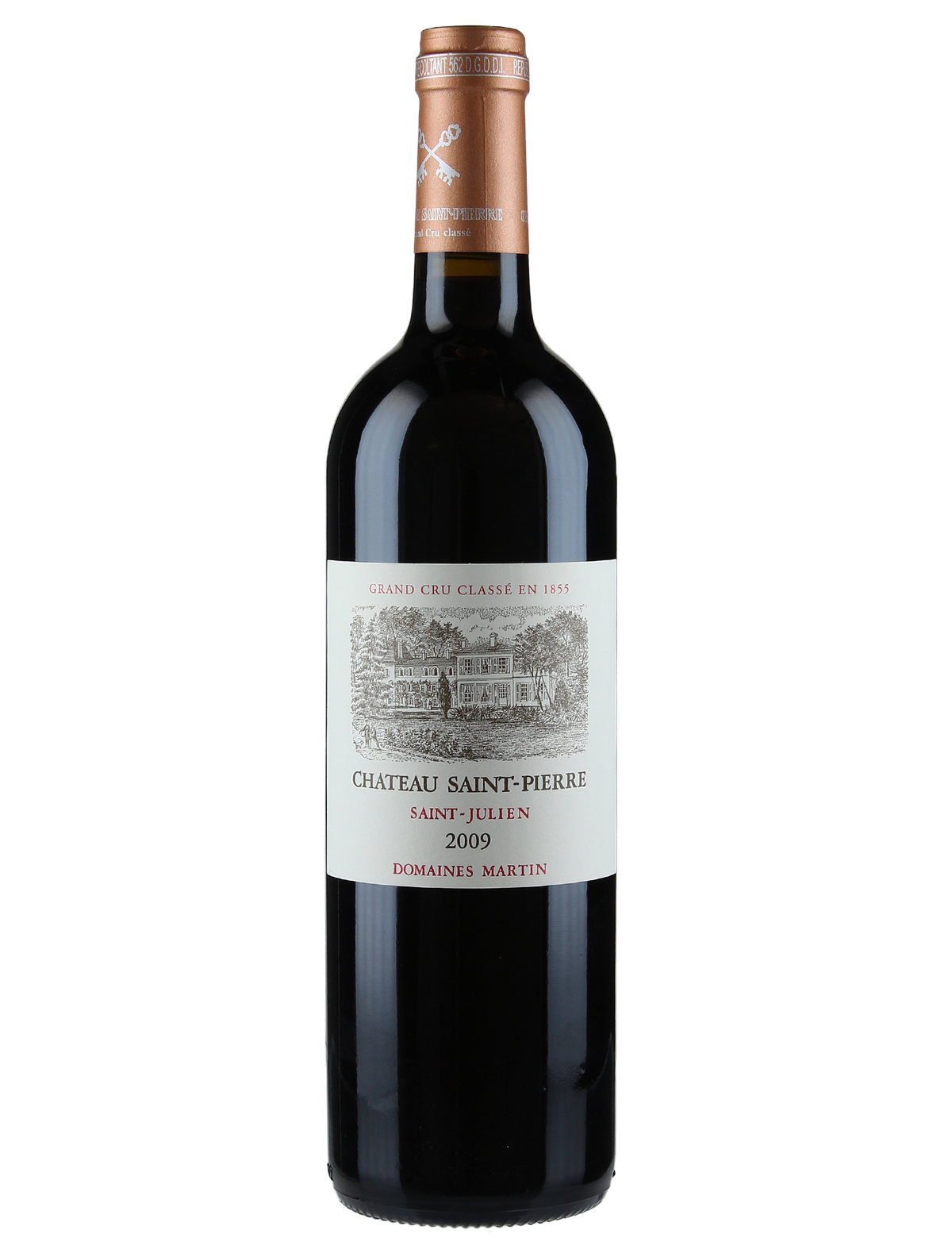
Il vino
- Colore
- Rosso
- Alcol
- 13.0% vol
Punteggi della critica
- Robert Parker / Wine Advocate 91
A soft, somewhat fleshy and opulent style of St.-Julien, this 2012 has a deep ruby/purple color, good minerality, moderate tannin, and a full but more precocious and accessible style than its neighbors such as Léoville Poyferré and Beychevelle. This is more along the lines of the juicy, succulent Talbot, but certainly has aging potential. Two to four years of bottle age is recommended and then consumption over the following two decades.
- Wine Spectator 87
A fresh, sleek style, with an apple wood frame nicely embedded in the core of damson plum, red currant and bitter cherry fruit. Reveals an iron underpinning on the finish. Best from 2016 through 2022. Tasted twice, with consistent notes. 4,500 cases made. –JM
- James Suckling 90-91
This shows a very pretty fruit with blueberries and cherries. Medium-to-full body with integrated tannins and a long finish. Good core of fruit here, with serious length for the vintage.
- René Gabriel 17
Sattes Purpur-Granat, dicht in der Mitte, lila Schimmer aussen. Mineralisches Bouquet, dezente Terpentinnoten und Trüffelspuren, dahinter reife Pflaumen. Im Gaumen erstaunlich füllig mit angerundeten Tanninen, die Gerbstoffe zeigen sich dezent mehlig im Extrakt und stützen den Körper. Das wird - wie schon so oft in den letzten Jahren - ein sehr guter Saint Julien-Wert warten (2017 - 2036)
Il produttore: Château Saint-Pierre
La storia di Château Saint-Pierre data dal 16º secolo. Documenti del 1693 provano l’esistenza di una tenuta chiamata "Serançan" appartenente al Marchese de Cheverry. Il Barone de Saint-Pierre comprò la tenuta nel 1767, durante il regno di Luigi XV e, conformemente ai costumi dell’epoca, le diede il proprio nome. Le sue due figlie ereditarono la tenuta nel 1832. Saint-Pierre fu incluso fra i 4éme Cru nella famosa classificazione del 1855. Nel 1892, Madame de Luetkens vendette la sua quota del vigneto a Léon Sevaistre, e da questo momento il Saint-Pierre venne venduto con due etichette diverse: Saint-Pierre-Sevaistre e Saint-Pierre-Bontemps-Dubarry. Nel 1922, alcuni mercanti di vino belgi riunificarono la tenuta, tranne che per gli edifici, che furono tenuti dai precedenti proprietari. L’ultimo discendente del Barone li vendette nel 1981 ad Henri Martin, il quale completò il suo acquisto comprando il vigneto nel 1982. Château Saint-Pierre, che era divenuto un mosaico di appezzamenti di vigneto nel corso dei secoli, fu finalmente raggruppato. Oggi, la figlia di Martin, Françoise, e suo marito, Jean-Louis Triaud, assistiti dai loro figli, Vanessa e Jean, continuano la tradizione di famiglia con passione. A causa della sua bassa produzione annua (solo 6.000 casse ), è un vino estremamente raro, che però vale la pena cercare