

L'immagine del prodotto è da intendersi a scopo illustrativo e potrebbe non rispecchiare esattamente le caratteristiche reali del vino.
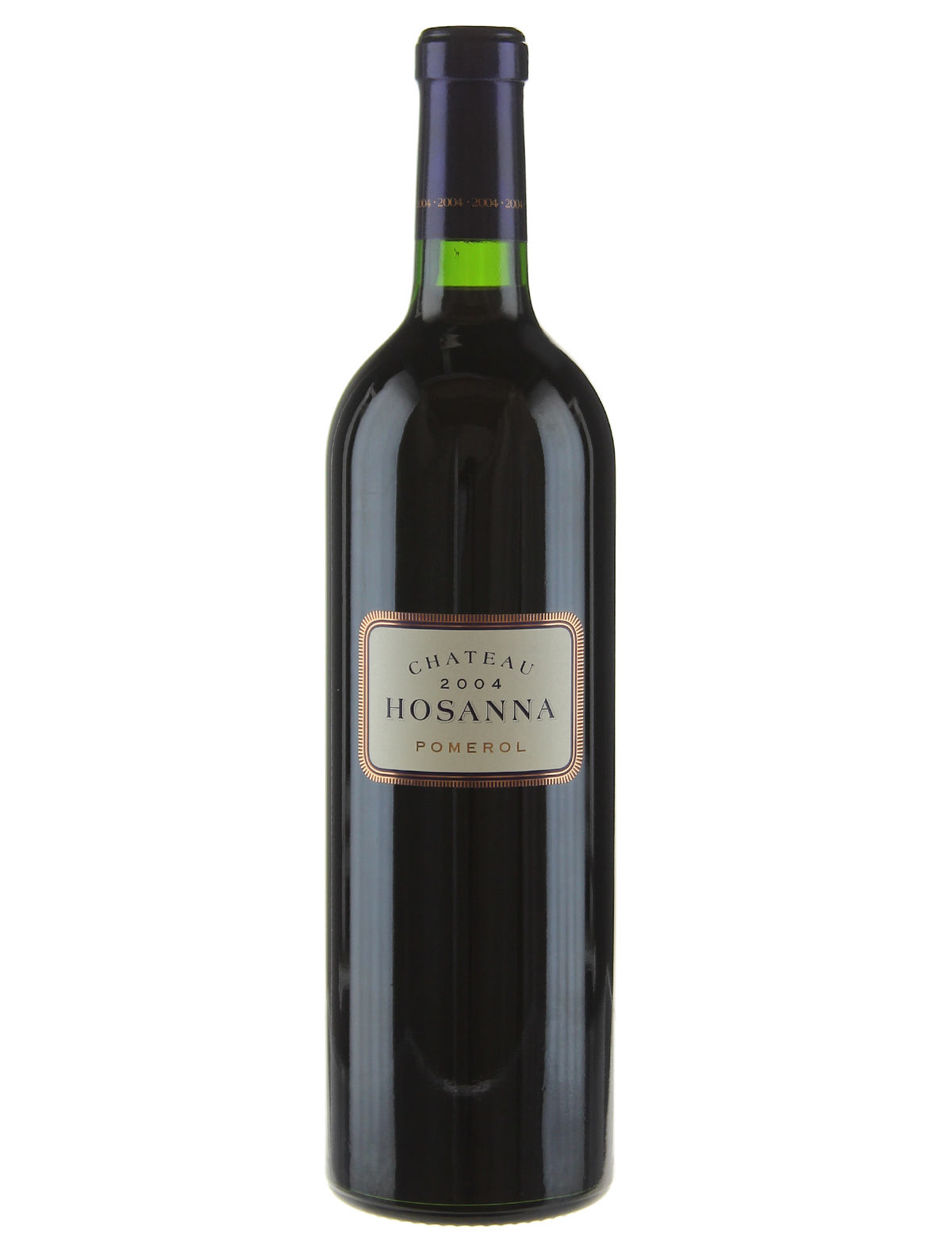
Il vino
- Colore
- Rosso
- Alcol
- 14.0% vol
Punteggi della critica
- Robert Parker / Wine Advocate 95+
The 2016 Hosanna is composed of 85% Merlot and 15% Cabernet Franc. Medium garnet-purple colored, it comes spilling out of the glass with the most beautiful floral perfume of lilacs and lavender over a core of black and red cherries, black raspberries and cedar chest plus hints of tobacco and chocolate mint. Medium to full-bodied, the palate is elegantly styled with beautiful floral and cherry layers framed by velvety tannins, finishing long and fragrant.
- Wine Spectator 94
Nicely rendered, with flashes of cocoa and juniper leading the way, followed by a dense core of black current, fig and blackberry preserve flavors. Dense finish, but delivers lovely polish and finesse at the same time. Best from 2022 through 2036. 850 cases made. — JM
- James Suckling 96-97
This really shows a lot at the end of the palate with a powerful, tannic finish. Even so, the fruit and flavor profile are very, very impressive. Lots of dark fruit and walnut undertones. Muscular Hosanna.
Il produttore: Château Hosanna
Château Hosanna si trova a Pomerol, proprio di fronte al leggendario Pétrus e tra Château Lafleaur e Vieux Château Certan. Nato dalla separazione di diverse proprietà, Hosanna rappresenta la sezione più alta di Château Certan-Giraud, che è stato acquistato nel 1999 dagli Ets. Jean-Pierre Moueix. Il nome Hosanna significa lode e acclamazione e ciò indica ancor più la posizione ideale del vigneto sull’altopiano di Pomerol. Il terreno di ghiaia rossa è stratificato in argilla; le viti hanno tra i 25 e i 50 anni di età, con una media di 40 anni e una percentuale abbastanza alta di Cabernet Franc (30%). Dall'acquisizione sono stati fatti estesi lavori in vigneto, compresa l’installazione di nuovi drenaggi e pozzi. Lo Château Hosanna combina grazia e complessità e, grazie al suo gentile tocco di Cabernet Franc, secondo la famiglia Moueix potrebbe diventare l’equivalente femminile del Pétrus.