

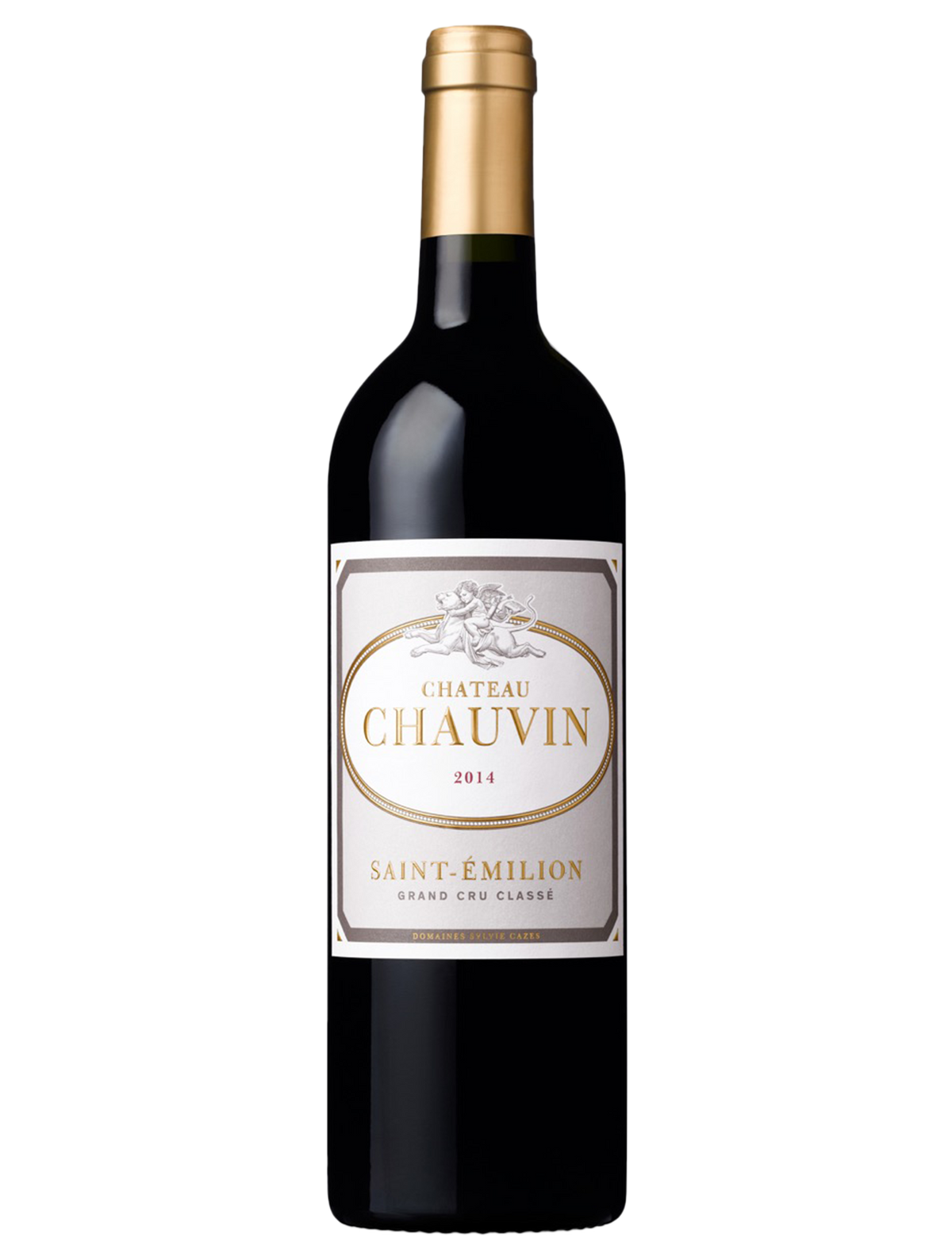
L'immagine del prodotto è da intendersi a scopo illustrativo e potrebbe non rispecchiare esattamente le caratteristiche reali del vino.
Tutte le annate
Il vino
- Colore
- Rosso
- Alcol
- 12.5% vol
Punteggi della critica
- Robert Parker / Wine Advocate 90-92
Deep garnet-purple in color, the 2020 Rochebelle is a little youthfully coy to begin, with subtle kirsch and black raspberry scents giving way to a core of baked black plums and boysenberries with wafts of fallen leaves, red roses and black truffles. The medium to full-bodied palate (14.5% alcohol) delivers bright, crunchy black and red berry flavors, framed by finely grained tannins and a racy backbone, finishing long and perfumed. Very pretty wine!
- James Suckling 93-94
A firm, racy wine with a solid core of fruit and firm, chewy and polished tannins. It’s medium-bodied with attractive length.
- Vinous 91-93
The 2020 Chauvin was picked September 22–30 and matured in one-year-old barrels (60% new oak). It is a blend of 70% Merlot and 28% Cabernet Franc with 2% Cabernet Sauvignon. The nose is tight at first, demanding 10–15 minutes to open and reveal black cherries, blueberry, hints of baking powder and floral scents. This gains delineation with aeration. The palate is medium-bodied with fine-grained tannins, gentle grip and good substance. Midway through, the texture becomes pleasingly powdery, the imprint of the Cabernet Franc lending light black pepper and graphite notes toward the satisfying finish. Very fine. Tasted from two WIT test tubes and then regular 75cl bottle around a month later.
Il produttore: Château Chauvin
Château Chauvin fu creato nel 1891 da Victor Ondet, tintore benestante che investì tutti i suoi averi nell’acquisto di una tenuta da 4 ettari. La proprietà fu tramandata a diversi membri della famiglia, tra cui Henri, che ne era a capo quando fu inserita tra i Grand Cru di Saint-Émilion. Oggi, è di proprietà delle sue figlie Béatrice e Marie-France, le quali, nel corso degli anni, hanno ampliato la superficie vitata arrivando a quasi 15 ettari, impiantati a Merlot, Cabernet Franc, Cabernet Sauvignon e alcuni antichi Malbec. I loro vini provengono da uve accuratamente selezionate e macerate a freddo, poi fermentate con i loro lieviti indigeni prima dell’affinamento in botti di rovere nuove al 60%.