

L'immagine del prodotto è da intendersi a scopo illustrativo e potrebbe non rispecchiare esattamente le caratteristiche reali del vino.
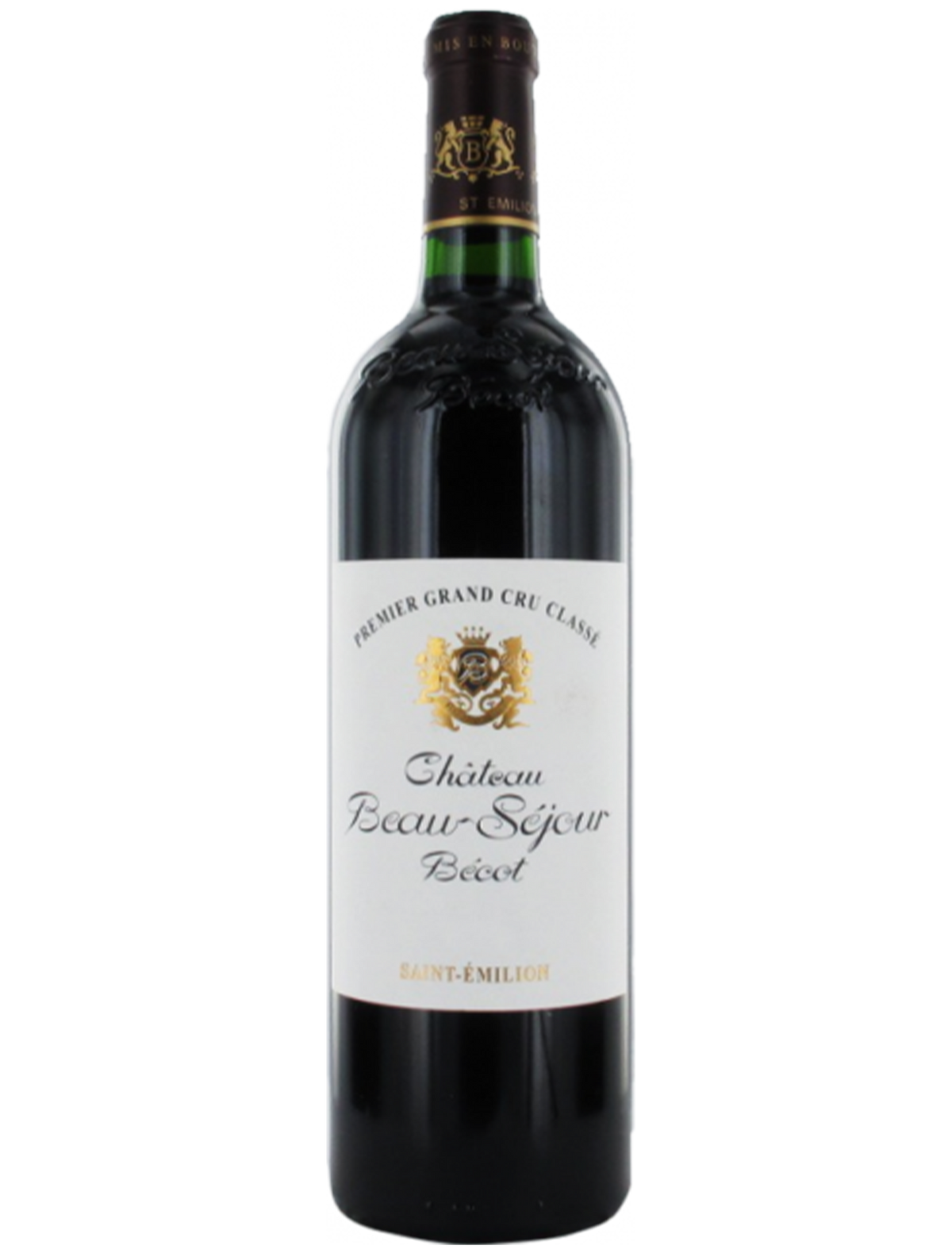
Il vino
- Colore
- Rosso
- Alcol
- 12.5% vol
Punteggi della critica
- Robert Parker / Wine Advocate 94+
The 2019 Beau-Séjour Bécot has turned out nicely, wafting from the glass with aromas of cassis, wild berries, raw cocoa, spices and loamy soil. Medium to full-bodied, ample and fleshy, it's deep and layered, with a rich mid-palate that's underpinned by succulent acids and powdery tannins. Located opposite Château Canon on Saint-Émilion's limestone plateau, there's some significant restructuring going on in the vineyards here, and in the cellar, foudres, amphorae and once-used barrels complement new oak: the result is the best wines this estate has produced in the modern era.
- Wine Spectator 95
This delivers a tumble of ripe raspberry, plum and boysenberry fruit flavors, lined with violet, red tea and sweet tobacco notes that add lift and range. The long, racy, chalk-lined finish leaves a pure feel that's not easy to achieve in this vintage. Merlot, Cabernet Franc and Cabernet Sauvignon. Best from 2024 through 2038. —J.M.
- James Suckling 96
Plums, currants, pine cones, mushrooms and bark on the nose. Some licorice, too. It’s medium-bodied with tightly knit tannins. Tight and fresh with fantastic tension and drive. Refined and focused. Spicy and lightly salty at the end. Try in 2026.
Il produttore: Château Beauséjour Bécot
Situato a ovest del magico paese di Saint-Émilion, sull’altopiano calcareo di Saint-Martin de Mazerat, Beau-Séjour Bécot si trova nel cuore della zona di denominazione. La tenuta è vocata alla produzione di vino sin dal periodo gallo-romano. Nel 1787, il generale Jacques de Carles la battezzò "Beau-Séjour" (ovvero "piacevole soggiorno") per commemorare il piacere del tempo trascorso qui. Nel 1969, Michel Bécot acquistò lo château e portò la superficie vitata a 18,5 ettari, acquisendo i vigneti confinanti sullo stesso terroir. Convertì inoltre una cava calcarea sotterranea di 7 ettari in una cantina di affinamento, luogo ideale in cui far riposare decine di migliaia di bottiglie. Continuò a migliorare ed abbellire la tenuta fino a quando non raggiunse l’età della pensione, nel 1985. I suoi figli, Gérard and Dominique, seguirono le sue orme e introdussero numerose innovazioni tecnologiche, sia in cantina, sia nei vigneti. Soltanto i grappoli più sani e maturi vengono raccolti e poi selezionati uno ad uno. La figlia di Gérard, Juliette, ha iniziato a lavorare allo château nel 2001 e commercializza i vini prodotti nella tenuta di famiglia.