

The product image is for illustrative purposes only and may not exactly reflect the actual characteristics of the wine.
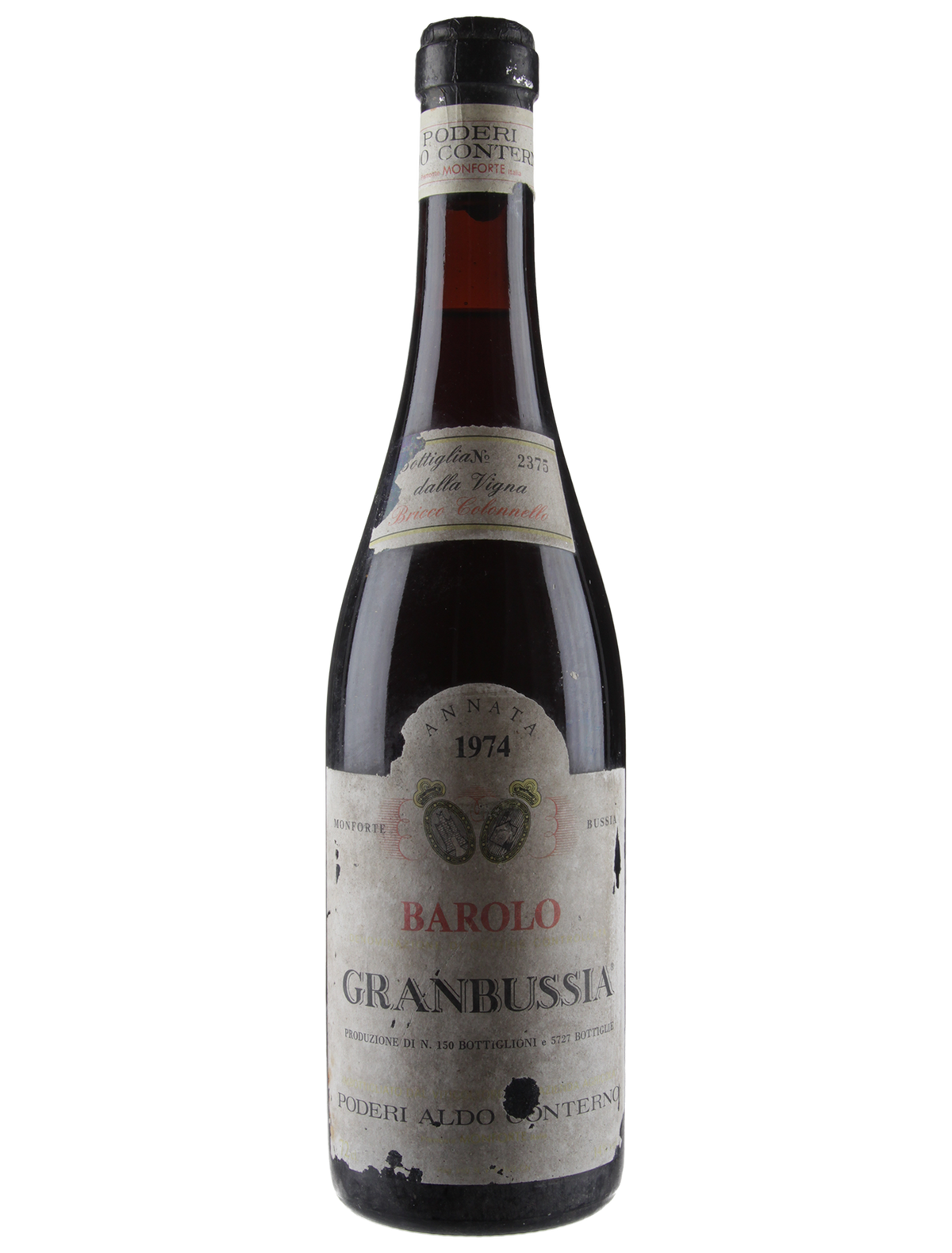
The wine
- Colour
- Rosso
- Alcohol
- 14.0% vol
Critics' scores
- Robert Parker / Wine Advocate 92
Granbussia, the Barolo Riserva of the house, is made principally from the grapes of the Romirasco vineyard, the estate’s highest, and the altitude was obviously of real assistance in the unusually hot year of 1997. The 1997 Barolo Riserva Granbussia, quite fresh for the vintage, features a sweet, ripe, floral and tarry nose, fine cherry and plum fruit on the rich and full-bodied palate along with minerals, herbs, licorice, and asphalt. Though always a long-lived wine, it generally comes around earlier than Vigna Cicala, and I would choose to drink the wine between 2005 and 2020.
- Wine Spectator 98
Medium ruby color. Raisin, spice and cedar aromas turn to flowers, blackberry and cherry. Full-bodied, with masses of chewy tannins, yet they are velvety and long. Loads of character. Loads of richness. A massive wine. Full-throttle red.--1997 Italian blind retrospective. Best after 2010. 770 cases made. –JS
The producer: Poderi Aldo Conterno
In 1961, Aldo Conterno took over Giacomo Conterno, his family’s estate, with his brother Giovanni. However, several years later, the brothers went on their different ways due to a disagreement over winemaking styles. While Aldo Conterno had been inspired by the modernist innovations of Angelo Gaja of Barbaresco, his brother Giovanni, preferred stricter, traditional methods. So in 1969, Aldo Conterno established his own eponymous winery instead. The vineyards stretch of 25 hectares of land and are situated in the village of Monforte d'Alba, more specifically, Bussia. The hilly property is made up of layers, alternating between sand and calcerous marl. The most prized sites, named Cicala, Colonello and Romarisco are used in the production of long lived and intense Barolos. The estate is known for their draconian approach to fruit selection, sometimes discarding as much as 50% of the grapes. This has led to their production gradually declining, from as much as 200,000 bottles in 2000 to around 80,000 bottles a year. In recent years, they have also introduced the use of rotofermenters and temperature controlled fermentation to produce wines that are more approachable and less tannic. In 2012, Aldo passed away at 81-years-old. But his legacy is being carried forward by his three sons.