

The product image is for illustrative purposes only and may not exactly reflect the actual characteristics of the wine.
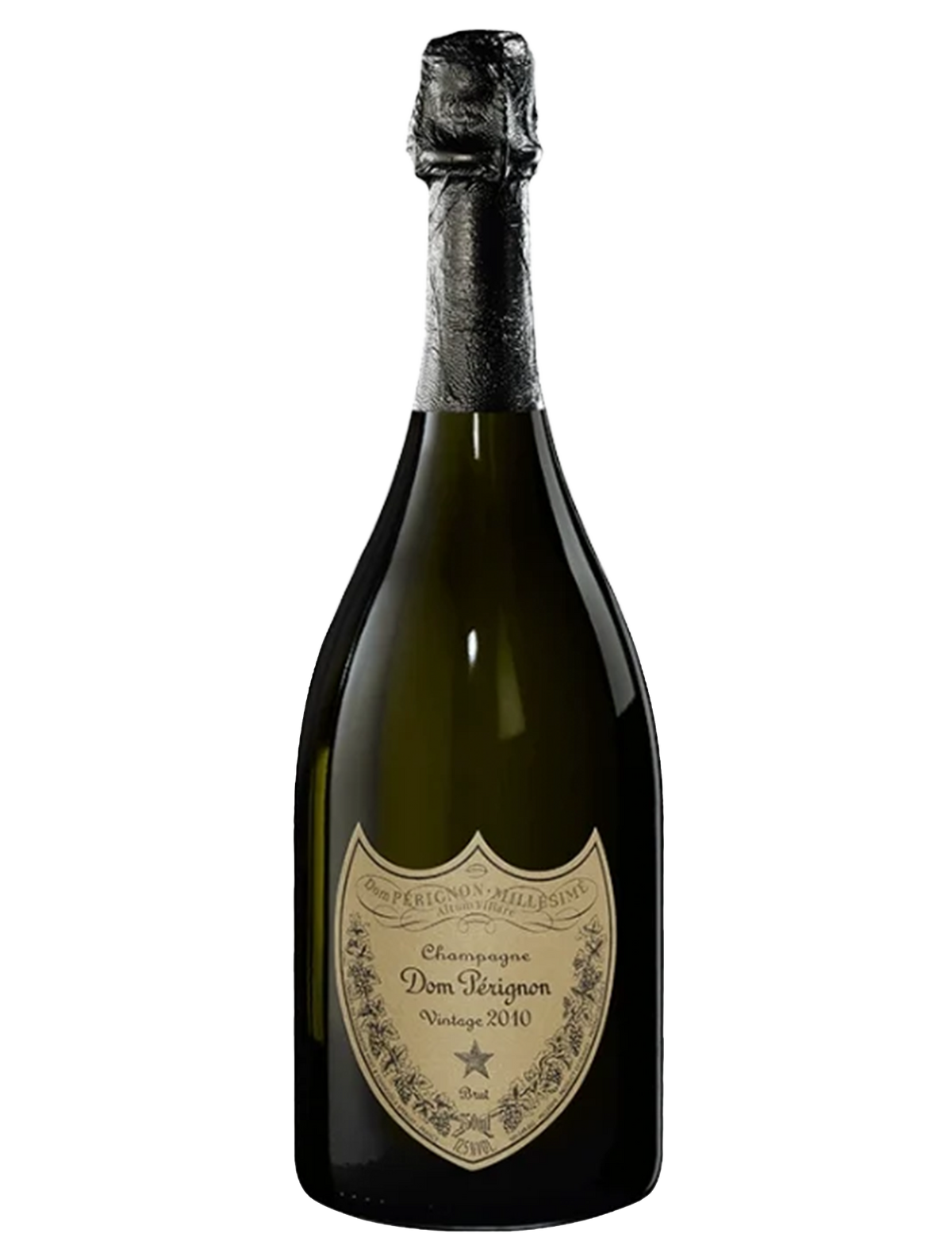
The wine
- Colour
- Sparkling
- Alcohol
- 12.5% vol
Critics' scores
- Robert Parker / Wine Advocate 95+
Of the two releases—the 2017 and the 2018—the 2017 Dom Pérignon is the deeper and more structurally endowed wine, unfurling from the glass with a complex bouquet of orange peel, dried apricot and burnt buttered toast, mingling with nuances of dried flowers, toasted hazelnut and cacao bean, all strongly singed with the house’s signature smoky reduction. On the palate, it is full-bodied and concentrated, with a rich core of fruit. Its darker, open-knit profile is animated by a pillowy mousse, vibrant acidity and attractively bitter, structuring phenolics that assert themselves on a long, resonant finish. This is a superb achievement for a vintage that required uncompromising selection, as acetic rot began to intrude upon the Pinot Noir grapes despite otherwise favorable conditions until mid-August. The fact that it represents the smallest Dom Pérignon release by volume should not mislead readers into complacency; indeed, I would much sooner own several bottles of the 2017 than divide my allocation with the 2018. A blend of 61% Chardonnay and 39% Pinot Noir, it was disgorged in March 2024 with a dosage of five grams per liter and will offer considerable complexity and generosity out of the gates.
- Wine Spectator 94
A vivid Champagne, offering a finely detailed mousse, with a toasty overtone to the flavors of crushed white raspberry and white cherry fruit, grapefruit pith, toast point and oyster shell, all defined by chiseled, lemony acidity. A fine example from a challenging vintage. Drink now through 2037.
- James Suckling 96
Dense and layered with dried apples and pears as well as candied lemons, grilled lemons and lemon meringue. It's full-bodied, rich, tangy and flavorful. March 2026 release. Tiny production. Smallest ever for Dom Pérignon. A blend of 61% chardonnay and 39% pinot noir. Dosage 4.5 g/L. Drink now.
- Vinous 97
The 2017 Dom Pérignon is so impressive. A sort of mini-2002, the 2017 is a Champagne of textural richness and resonance above all else. Its creamy, voluptuous contours are so inviting. Production for the 2017 is tiny, about a three-month supply, so this wine will come and go pretty quickly. That represents a fairly dramatic shift in philosophy at Dom Pérignon. In the past, a wine like the 2017 would not have been commercially viable because of its small volume. Today, Chef de Caves Vincent Chaperon prefers to bottle Dom Pérignon in every vintage, if possible, as a document of the year, even if that means some releases will be very small. The 2017 is a wild, exotic Dom Pérignon. I loved it.
The producer: Dom Pérignon
Dom Pérignon is quite possibly the most iconic Champagne in the world. Tracing its roots back to the 17th century, when the monk, Dom Pierre Pérignon declared his ambition to create “the best wine in the world”. Today, he is known as the father of Champagne. He spent almost 50 years making the world’s first Champagne in the Abbey of Saint Pierre d’Hautvillers. During this time he set the ten founding vinification principles required in Champagne production. Three centuries later, Dom Pérignon stands as the planet’s most recognized luxury Champagne brands. The first vintage of Dom Pérignon was produced in 1921 and became the first prestige cuvée for the house. Owned by the fine-wines and spirits group, LVMH, Richard Geoffroy has been the Chef de Cave for the brand since 1990. Geoffroy alone is responsible for deciding whether or not to declare a Dom Pérignon Vintage. Made from the very best grapes, each vintage of Dom Pérignon is unique, showing notable transparencies between the varying climatic conditions. The alliance between ripeness, vibrancy, lightness and intensity in each bottle gives the wine the ability to age with suppleness and elegance.