

The product image is for illustrative purposes only and may not exactly reflect the actual characteristics of the wine.
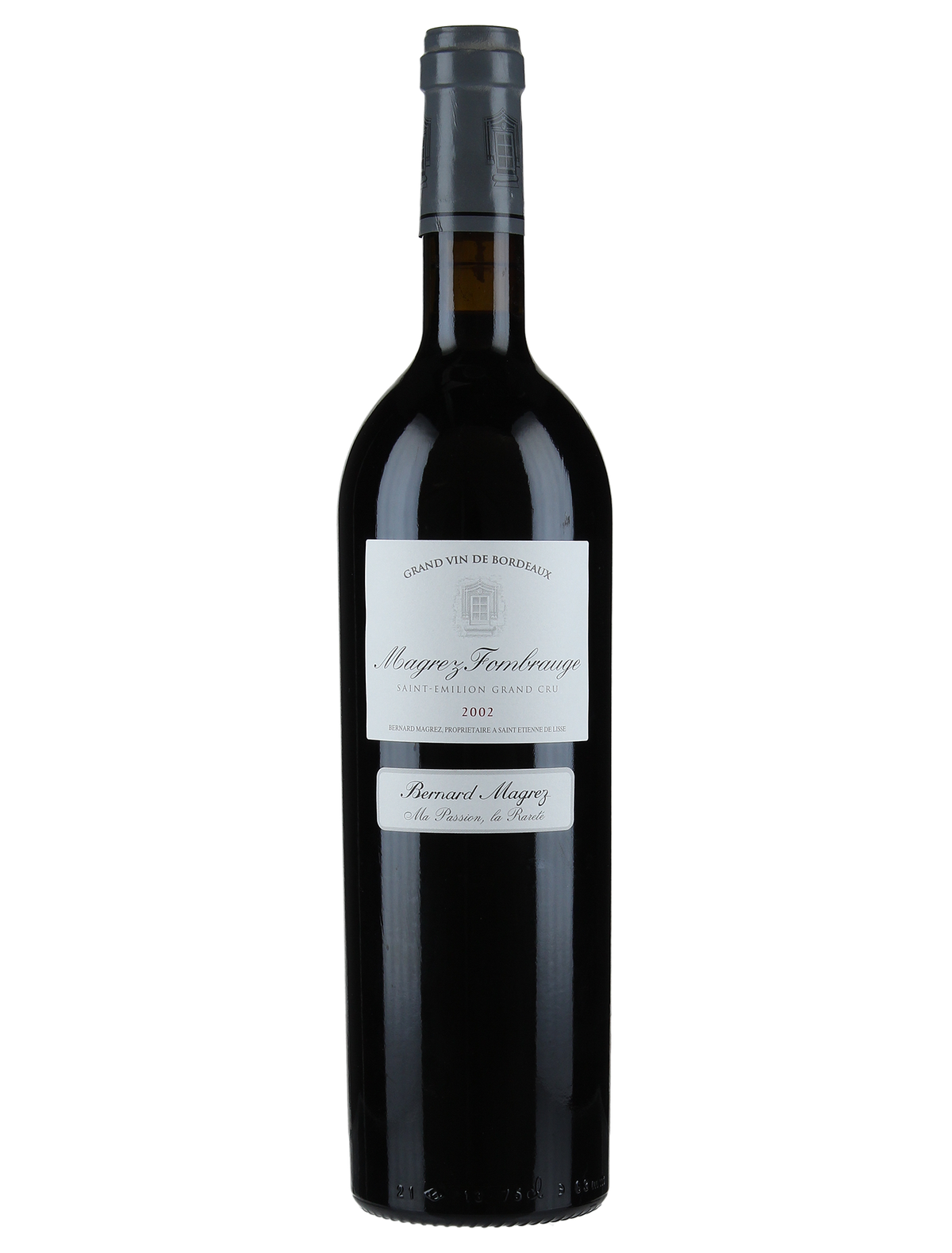
The wine
- Colour
- Red
- Alcohol
- 12.5% vol
Critics' scores
- Robert Parker / Wine Advocate 91-93
Very deep purple-black colored, the 2019 Magrez Fombrauge charges out of the gates with exuberant notions of blueberry pie, Black Forest cake and licorice plus hints of spice cake, clove oil and eucalyptus. The medium-bodied palate is jam-packed with ripe, concentrated black and blue fruit preserves, supported by ripe, rounded tannins and plenty of freshness, finishing long with a minty kick.
- Wine Spectator 89
Shows the warmth of the vintage, featuring a broad swath of very forward steeped plum and boysenberry fruit, with roasted vanilla and mocha notes. Finishes with a hint of sweetness but stays grounded well enough. Merlot and Cabernet Franc. Drink now through 2028. — JM
- James Suckling 95
Lots of intense blackberries, dark chocolate, toasted oak and black olives follow through to a full-bodied palate with layers of pretty fruit and plush tannins. Yet, it shows tension and focus. Richer style for 2019, but I like its lavish character. Needs four or five years to come together even more. Try after 2026.
The producer: Château Fombrauge
Château Fombrauge is one of the several châteaux owned by the incredibly dynamic Bernard Magrez of Château Pape Clément. The name Fombrauge actually comes from two words: fons brogiera, which means - source surrounded by heather and bushes. The sources that gave Fombrauge its name still exist, which is why you'll find a wash-house at the heart of the vineyards. The history of the property started as early as 1679 and has passed through the hands of several owners over the centuries. Fombrauge received a new life when it was purchased by Magrez in 1999. While its main production remains red wines, the property also has 3 hectares planted to white, including a smattering of the lesser seen Sauvignon Gris. Magrez is known to be incredibly immaculate in his winemaking and Fombrauge is no exception. As many as 50 workers scan and sort the grapes before they go into the vat de-stemmed but not crushed. A long soak takes places before fermentation and once it has turned to wine, it is aged in 50% new oak for 18 months and then bottled without filtration. In addition to Fombrauge’s main red, the estate also produces a special cuvée called Magrez Fombrauge, made from incredibly low yielding grapes, as well as a second wine called Cuvée Cadran de Fombrauge.