

The product image is for illustrative purposes only and may not exactly reflect the actual characteristics of the wine.
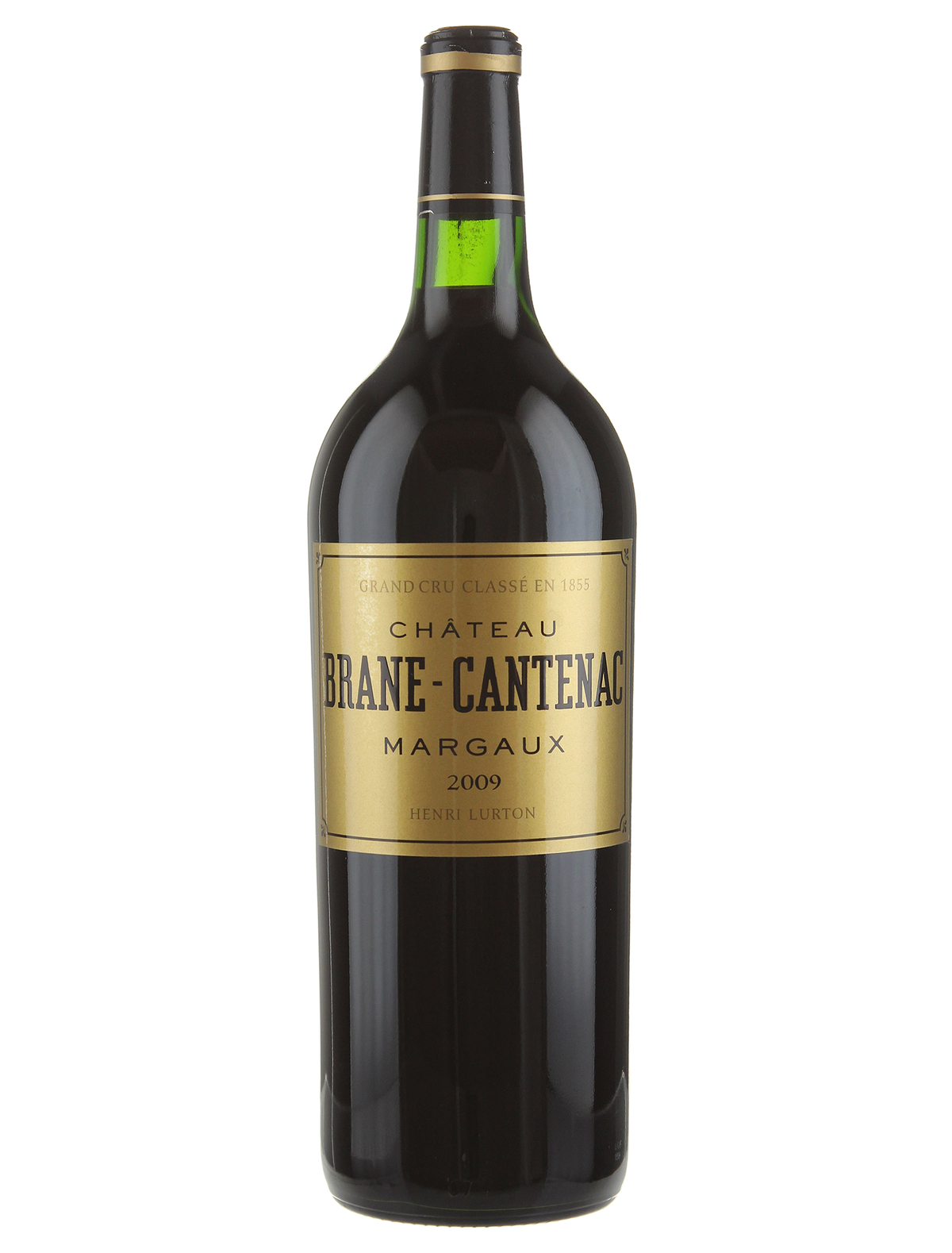
The wine
- Colour
- Red
- Alcohol
- 13.0% vol
Critics' scores
- Robert Parker / Wine Advocate 95
A spectacular effort from this estate rivaling their 2005, but more flashy/flamboyant, this dark ruby/purple wine has a strikingly intense nose of licorice, flowers, plums and dark berries. Medium to full-bodied, very approachable and silky, this suave, very sexy wine can be drunk early on as well as aged for 20+ years
- Wine Spectator 92
Ripe and fleshy, with an enticing mix of linzer torte, currant confiture and crushed plum fruit offset by hints of briar and bay leaf. The long finish lets roasted apple wood, singed iron and tobacco leaf notes fill in, while staying plush in feel. Combines the ripeness of the vintage with a nice old-school feel. Best from 2013 through 2025. 12,500 cases made. –JM
- James Suckling 93
Beautiful aromas of crushed blueberries and flowers follow through to a full body, with earth, sliced mushroom and dried strawberries. Lemon rind character. Slightly earthy on the finish. Best after 2018.
- René Gabriel 18
Sattes Purpur-Granat, dicht in der Mitte, lila Schimmer aussen. Elegantes, fein ausladendes Bouquet, reife Brombeeren und schwarze, gekochte Pflaumen, dabei aber nur eine dezente Süsse zeigend. Im Gaumen nobel, erhaben mit viel veloursartig gegliederten Tanninen, Black Currant im Finale. Gehört zu den besten Brane-Cantenac-Jahrgängen.
The producer: Château Brane Cantenac
One of the most respected châteaux in the Margaux appellation, Château Brane Cantenac was established in the early 18th century and was bought by the Baron de Brane, a nobleman known as “Napoléon of the Vineyards” in 1833 following the sale of his other château, Mouton Rothschild. He renamed the château after himself (including Cantenac, a sub-section within the Margaux appellation), but it was eventually bought by other families throughout the years. In the 1920s, a branch of the Lurton family took it over with Château Margaux and while they do not retain Margaux, they still own and manage Brane Cantenac. It is planted to 55% Cabernet Sauvignon, 40% Merlot, 4.5% Cabernet Franc and 0.5% Carménère, the latter only being introduced in the 2011 vintage as a way of balancing out higher alcohol due to climate change. Their Grand Vin is aged in 60% new oak barrels for 18 months.